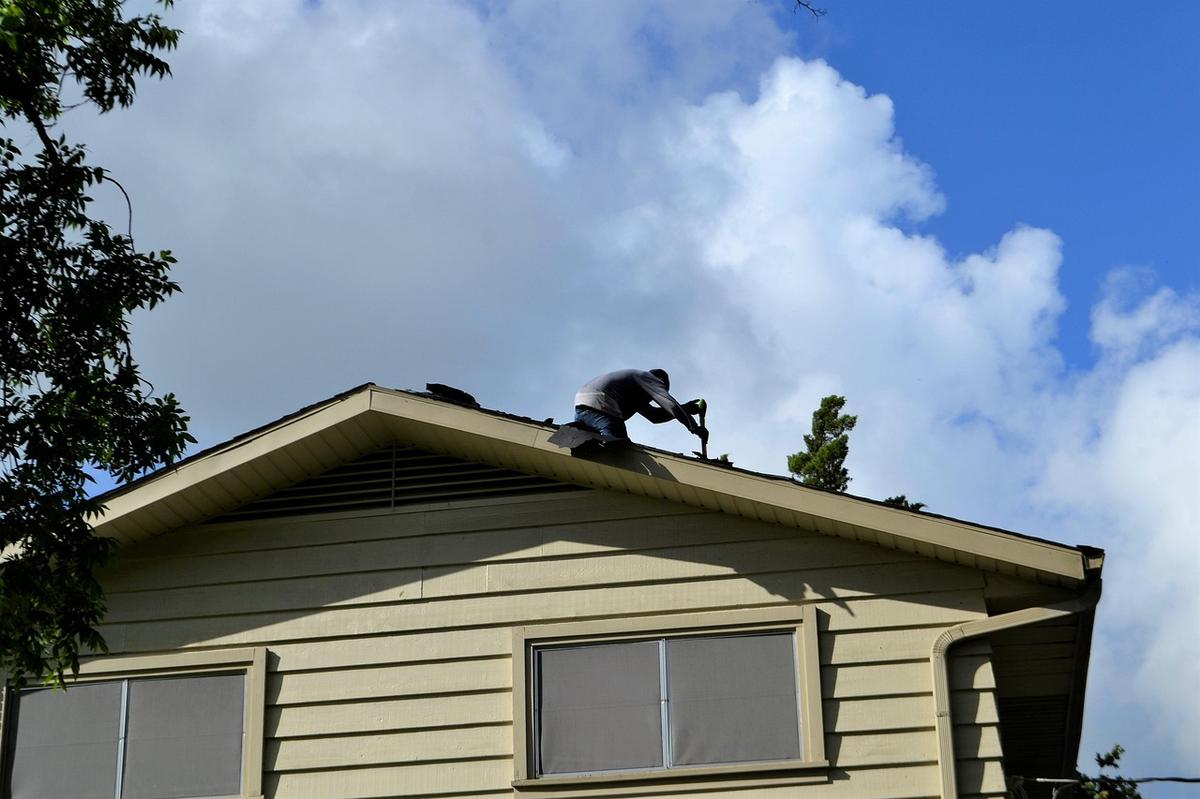
Charlotte sits in a corridor that sees significant severe weather — summer thunderstorms with 70+ mph gusts, occasional tornadoes, and hurricane remnants tracking inland from the Gulf and Atlantic. When a major storm rolls through and you suspect roof damage, the hours immediately following matter more than most homeowners realize.
Here's the step-by-step process we recommend to every Charlotte homeowner after a storm event.
Step 1: Stay Safe First
Don't get on your roof immediately after a storm. Wet roofing is dangerous, and downed power lines may still be energized. Do a visual check from the ground using binoculars — look for missing shingles, visible debris, or damaged gutters. If there's an active interior leak, place buckets, protect electronics and furniture, and document everything with photos before moving anything.
Step 2: Document Everything (Before Calling the Insurance Company)
This is the step most homeowners skip — and it costs them money. Before you file a claim, photograph every visible sign of damage thoroughly: missing shingles from multiple angles, gutters, soffit damage, debris on the roof, interior water staining. Date-stamped photos on your phone are sufficient. This documentation protects you if the adjuster's assessment comes in lower than the actual damage.
Step 3: Call a Reputable Local Roofer for an Inspection — Before the Adjuster
Your insurance company's adjuster works for the insurance company. A reputable local roofer works for you. Having an independent inspection done before the adjuster arrives means you have a professional written assessment of all damage — which you can present to the adjuster to ensure nothing is missed.
Be cautious of storm chasers — out-of-state roofing crews that follow major storm events and pressure homeowners to sign immediately. They disappear when warranty issues arise. Use a company with a local physical address and verifiable Charlotte references.
⚠️ Never sign an Assignment of Benefits (AOB) form
Storm chasers often present an Assignment of Benefits form that signs over your insurance rights to them. This removes your control over the claim settlement. Never sign one without consulting your insurance agent first.
Step 4: File Your Claim Promptly
Most homeowner policies require you to report storm damage within a reasonable time frame. Don't delay. File the claim, get a claim number, and ask your insurer when the adjuster will arrive. Most insurers allow you to have your own contractor present during the adjuster's inspection — take that option.
Step 5: Protect the Damaged Area While Waiting
If there are open areas in the roof, you're responsible for preventing further damage (called "mitigation"). A licensed roofer can install temporary tarping over damaged areas to prevent interior water intrusion while you wait for repairs to be approved. The cost of tarping is typically covered under your claim as a mitigation expense.
Step 6: Review the Settlement Before Committing
Once the adjuster's report comes back, compare it carefully against your roofer's assessment. If significant damage was missed, you have the right to request a re-inspection or invoke your policy's appraisal clause. Your roofer can help you identify discrepancies worth challenging.
Apex Roofing has helped hundreds of Charlotte homeowners navigate the insurance process. Free inspections, documentation support, and we can be present during the adjuster visit at no charge.